Helping design and engineering professionals discover, evaluate and specify technologies and processes that shorten the design cycle and enable success.



Digital Engineering April 2026
In the latest issue of Digital Engineering, we take a look at the latest innovations in design for additive manufacturing, including the use of natural language inputs, social media cosplayers, and AI integration. The issue also includes a feature…

January Special Focus Issue: Design for Additive
In this Special Focus Issue of Digital Engineering, learn about the latest advancements in design for additive manufacturing, including new software tools, additive in automotive, custom medical devices, and more.
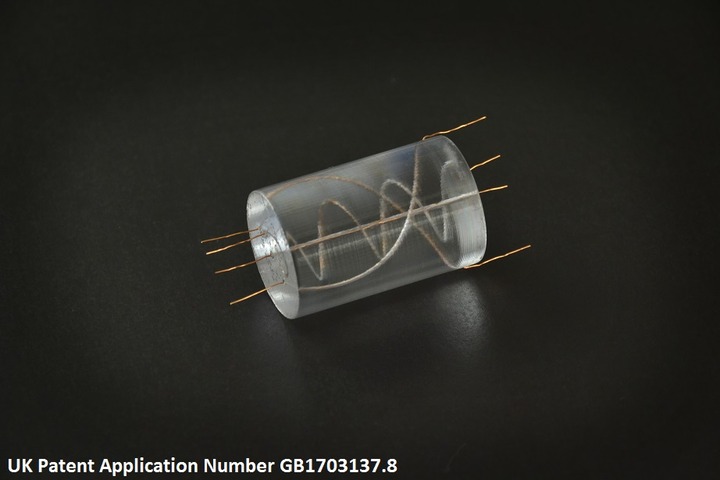
The new process, called THREAD, has been demonstrated on machines used for printing polymer components.
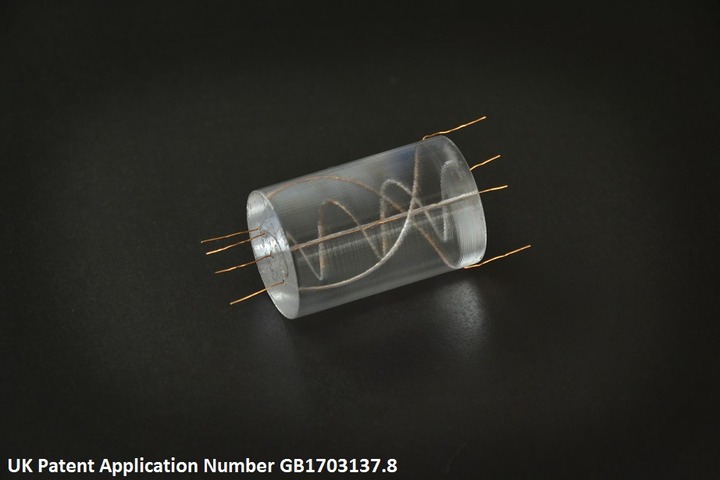
“THREAD has scope to simultaneously add multiple industry-recognized threads of differing materials into one component, giving the component additional functions,” said Mark Cocking, AMRC development engineer and additive manufacturing specialist. “This will open AM up to a greater variety of uses. The development of this process is a potential game-changer. It could be used across many sectors such as medical, aerospace and automotive; where weight and size of components is critical; or where components would benefit from integrated data transfer and the protection of sealed connective tracks.”
The process embeds strands of different materials groups such as copper, fiber optic, steel, nitinol, and others, and can also embed tubes into an item.
It could be used to manufacture components that require encapsulated electronics or other structures that otherwise would have to be attached externally. According to the company, by creating sealed conductive tracks, the process could also improve components that are sensitive to contamination or corrosion.
“We see THREAD transforming the functionality of additively manufactured components,” said Chris Iveson of AMRC, who is spearheading the commercialization of the technology. “Feedback from our contacts in various industries indicates a real need for this capability, with new potential applications being discussed daily. This is a great example of the AMRC using its unique expertise to solve real industry problems.”
Other companies have worked with different processes to similarly embed electronics into components, although without the wide variation that appears to be possible with the AMRC system. Voxel8, for example, can combine different materials to create embedded electronics and Nano Dimension's DragonFly 2020 3D printer can create printed circuit boards. Researchers in Singapore also printed a drone with embedded electronics using ULTEM 9085.
Source: AMRC


Brian Albright is the editorial director of Digital Engineering.
Contact him at [email protected].

Join over 90,000 engineering professionals who get fresh engineering news as soon as it is published.






About Us · Contact Us · Editorial Team · Advertising · Privacy Policy · Subscriber Services · © 2026 Digital Engineering 24/7 · Peerless Media