Helping design and engineering professionals discover, evaluate and specify technologies and processes that shorten the design cycle and enable success.


Alert!
Digital Engineering ceased publication on July 1, 2026. This website remains available as an archive of engineering content.
For inquiries or information, please email [email protected].
Sponsored
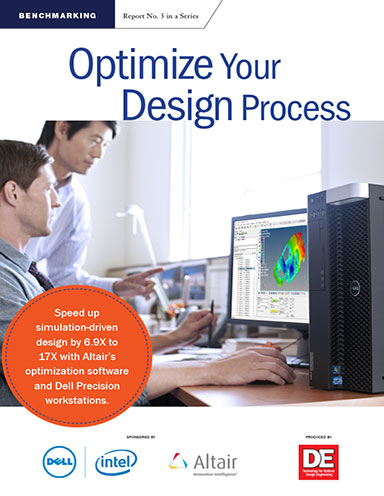
Some things are more than the sum of their parts. In the complex world of engineering, simulation software closely coupled with optimization capabilities makes for a dynamic duo that radically redefines design workflows.
When simulation and optimization are powered by modern workstations, the benefits are multiplied, allowing design engineering teams to boost innovation, lower costs and speed time to market.
While many organizations have embraced simulation software, fewer have adopted optimization, and an even smaller number have melded both disciplines into a single, integrated workflow running on the latest computing hardware. The barriers to adoption are many.
A majority of these software tools are still oriented toward an expert audience, making it difficult for the average engineer to tap into their full set of capabilities. Most organizations, under pressure to compress development cycles, cut back on the number of iterations and delay hardware investments to save time and short-term costs.
Finally, simulation and optimization tools often hail from different vendors, introducing layers of complexity and incompatibilities that hinder the synergies of the two design technologies.

Altair transforms design and decision making by applying simulation, machine learning, and optimization throughout product lifecycles. Altair offers software in five categories related to Computer Aided Engineering (CAE) and High Performance…
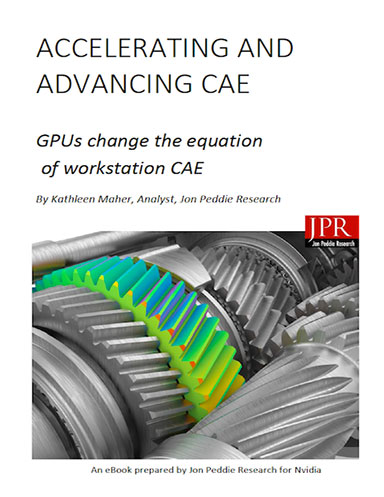
Accelerating and Advancing CAE
GPUs are changing the nature of engineering simulation, according to a new ebook from Jon Peddie Research (JPR). It explains how GPU acceleration is improving CAE workflows.




About Us · Contact Us · Editorial Team · Advertising · Privacy Policy · Subscriber Services · © 2026 Digital Engineering 24/7 · Peerless Media