Helping design and engineering professionals discover, evaluate and specify technologies and processes that shorten the design cycle and enable success.


Alert!
Digital Engineering ceased publication on July 1, 2026. This website remains available as an archive of engineering content.
For inquiries or information, please email [email protected].
Sponsored

May 2026 Special Focus: Artificial Intelligence in Design and Simulation
In this Special Focus Issue, learn about the latest developments in the integration of artificial intelligence into engineering workflows.

April 2026 Special Focus Issue: Generative Design
In this Special Focus Issue, Digital Engineering takes a look at how generative design solutions can be used across different types of design problems and with a variety of manufacturing approaches to accelerate design space exploration, and…
Augmented, Mixed or Virtual Reality technologies work differently and suit different use cases, but which is best suited to your own use case?
Let’s look at definitions first, how they differ and where the technologies overlap. There are many definitions and opinions available for each. Depending upon opinion, the lines between them can sometimes be blurred. This is how we define them.
Augmented Reality (AR), Virtual Reality (VR) and Mixed Reality (MR) are technologies that allow for better visualization of 3D and digital data. These are often referred to collectively as Extended Reality (XR).
Augmented Reality blends digital content with the physical environment allowing you to overlay text and images in the real world. Virtual Reality puts you in a fully immersive digital environment where you can view 3D designs at full scale. Mixed Reality is a combination of the two, placing digital 3D holograms in the physical space you’re in, at full scale.
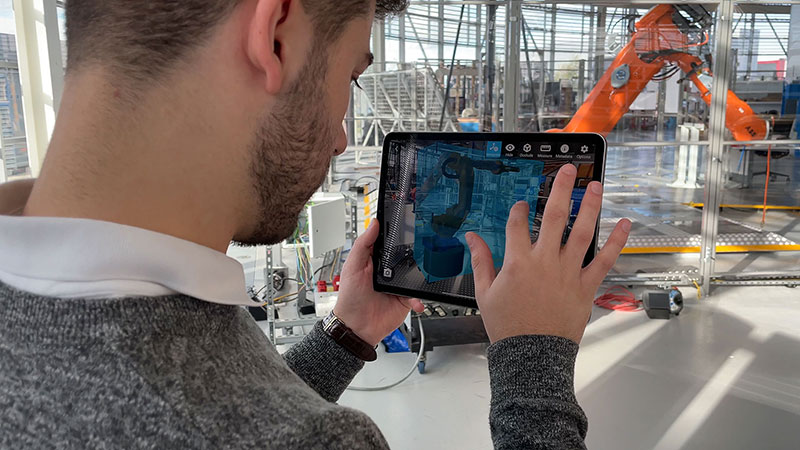
Augmented Reality is recommended if you’re looking for a simple and easily accessible technology. It doesn’t require any specialist devices - just a smartphone or tablet. It allows you to overlay text and 3D images in the real world, which is great for visualising models within the space you’re in, in full support of Visual Digital Twin.
This can have various uses depending on your industry. Software and apps such as Theorem-AR has model tracking modes that allows digital representations of models to be snapped to the physical on the screen whilst viewing metadata. With features such as Hide and Occlude Components, Measure, Image Capture and Mark-up, this can be a quick and practical way to understand what needs “doing” on the physical without making any instinctive decisions.
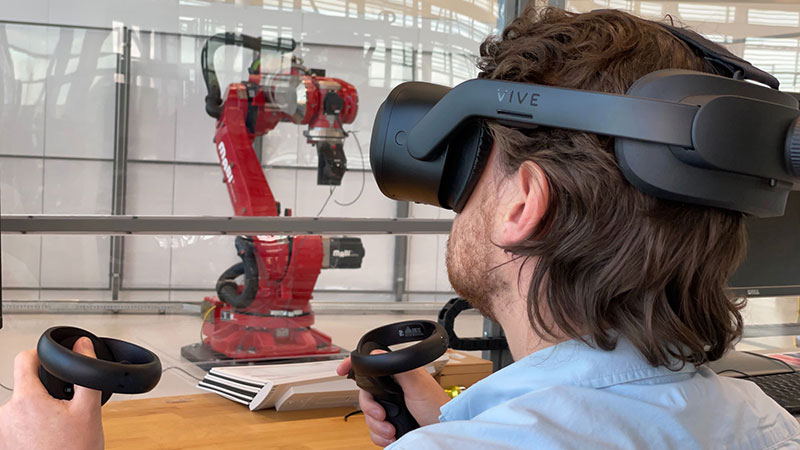
If you want to view your 3D designs in a fully immersive environment, Virtual Reality is the best choice. You can digitally simulate any setting you want, allowing you to view models in context. Headsets or head mounted displays such as VIVE or Oculus Rift place you into a completely digital world and often have controllers that allow you to interact with the 3D objects placed in that world. Whatever use case you've identified, try and understand where in the design cycle it is and whether an immersive environment is necessary.
When choosing VR, you should be asking yourself:
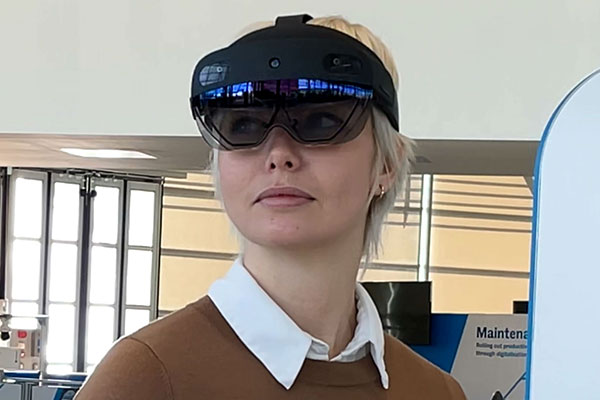
Maybe you’re reading this and thinking “well, what I need is a bit of both”. Mixed Reality is a great middle ground between Augmented and Virtual Reality. Wearing an untethered headset or holographic device such as the Microsoft HoloLens 2, you can see the space around you at full scale and in context. Effectively placing a hologram within your environment, while still leaving your hands free to interact with the model.
You can read our key benefits of using the HoloLens 2 in engineering to learn more.
When choosing MR, you should be asking yourself:
Software solution Theorem-XR supports AR, VR, MR, and desktop devices. This is powered by the Theorem Visualization Pipeline, which prepares and optimises your data for use in any new or existing technologies of your choice – even via desktop for those without access to XR technology. This can save you time and money as you are future proofing your data to be re-used in new devices, whilst protecting your initial device investment.
Taking this approach also allows for better collaboration options. If you and your team need to hop on a collaborative session and you're not able to make it to the office or wherever your headset is, you can still join the session and still have some input from the desktop app.
Augmented, Mixed and Virtual Reality technologies can help you to visualise 3D models in different ways. Here are some key takeaways from this blog post to help make your decision into choosing the best XR tech for your organisation.
Be device agnostic - Limiting yourself to just one device can result in missed opportunities to make the most out of your 3D CAD data. That’s why it’s important to find a solution that is portable. Having this approach will also reduce delayed decisions to invest in new devices. With the market still being so young, new devices are being regularly released by leading technology providers. Being device agnostic avoids that becoming a problem as you can still use the same data in new and existing hardware.
Choose what’s best for your use case - Each manufacturing company has their own specific XR use cases. Your final choice of XR tech should be influenced by how practical it is for your engineering requirements. Find the right hardware but make sure to combine it with the best software to tailor it your needs.


Theorem Solutions enables engineering and manufacturing companies to extend the use of their 3D design data in the latest innovative and emerging technologies. Providing specialist tools for CAD Translation, Interactive Documentation and Full…
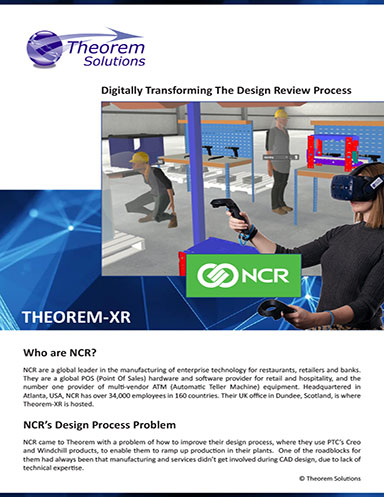
Digitally Transforming the Design Review Process
In only a short time, ATM manufacturer NCR (National Cash Registers) have revolutionized their design review and prototyping processes with the help of Theorem-XR.

Join over 90,000 engineering professionals who get fresh engineering news as soon as it is published.






About Us · Contact Us · Editorial Team · Advertising · Privacy Policy · Subscriber Services · © 2026 Digital Engineering 24/7 · Peerless Media